



GUIDE
Blinds for the hallway
Blinds in the hallway can serve several purposes – from regulating light transmission to providing privacy from the street. At the same time, the hallway is often a confined space and a passage used every day, where the blind needs to be practical and must not get in the way or risk being soiled by outdoor clothing and the like.
Because the hallway is at the entrance to the home, it is often exposed to the pavement or passers-by, which can make the need for light filtering particularly obvious. With the right blinds, you can create a more private feel in the hallway without the room feeling dark or closed in.
Here we share some advice on choosing blinds for the hallway – for a solution that works in everyday life and fits in with the overall look of the hallway.
Privacy screen in the hallway
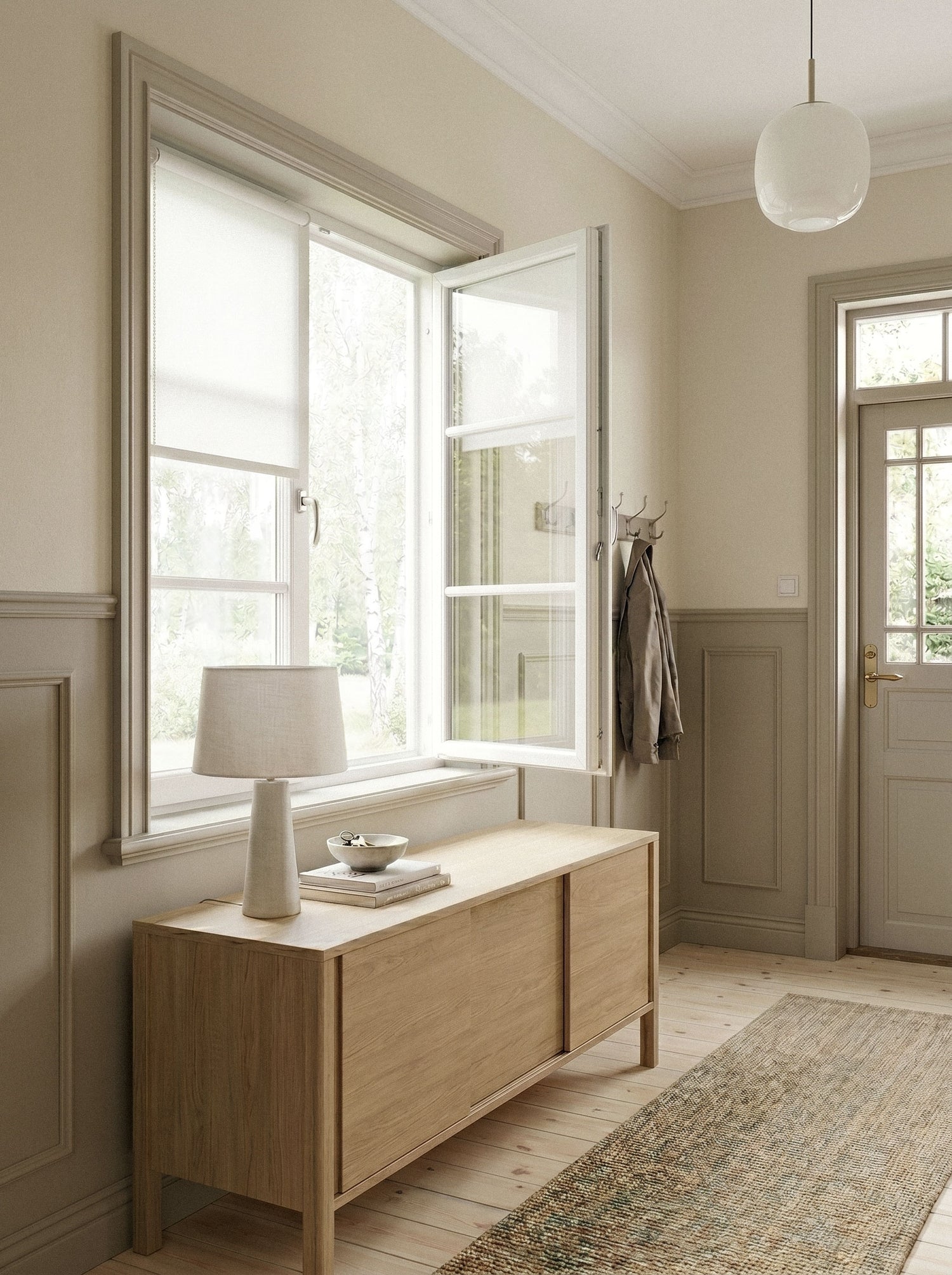
If you have a window facing the street, blinds in the hallway can be a practical way to reduce how much passers-by can see in. At the same time, light transmission is often welcome in the hallway, which can sometimes feel both dark and small – making daylight important for the overall feel.
Blinds with light-filtering properties, such as roller blinds with screen fabric, can reduce the view in from outside without shutting out the light completely, making it easier to balance light and privacy in everyday life.
Blinds for narrow windows
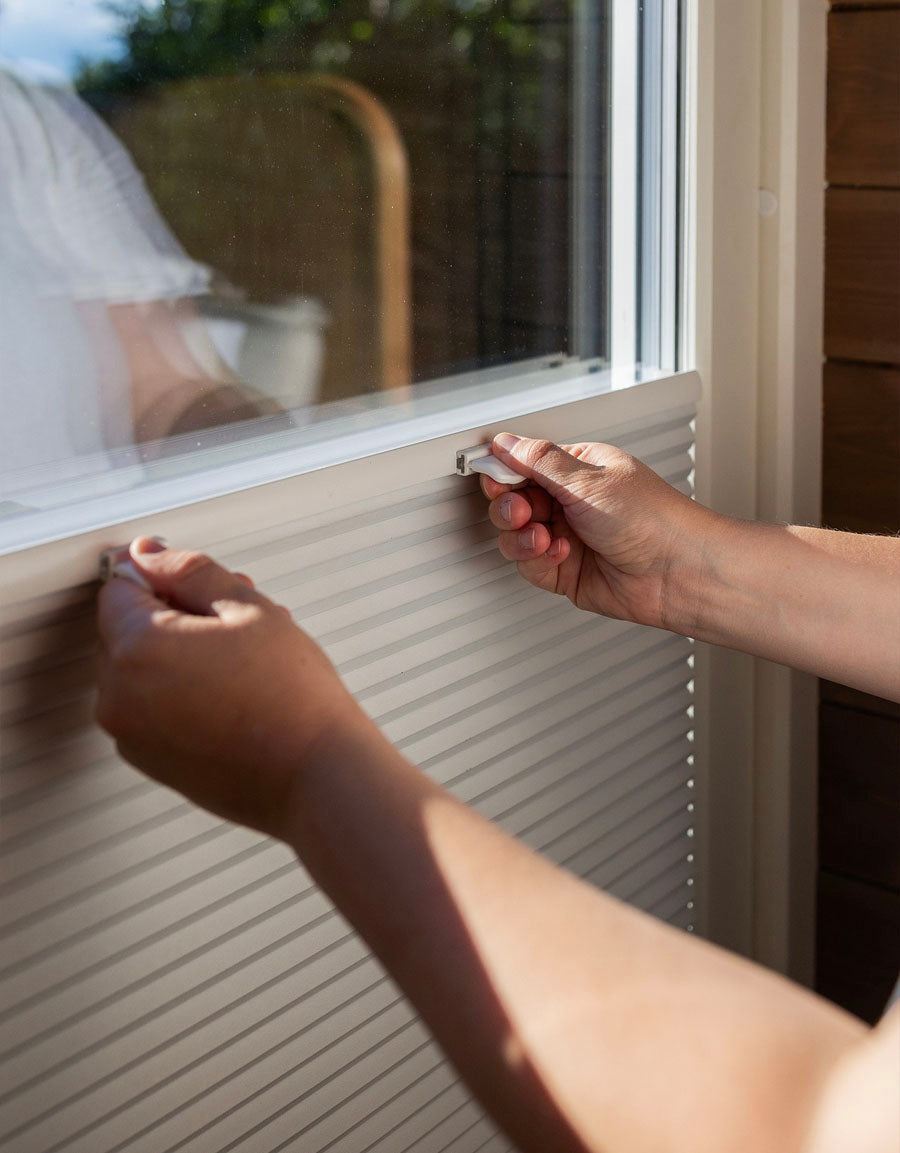
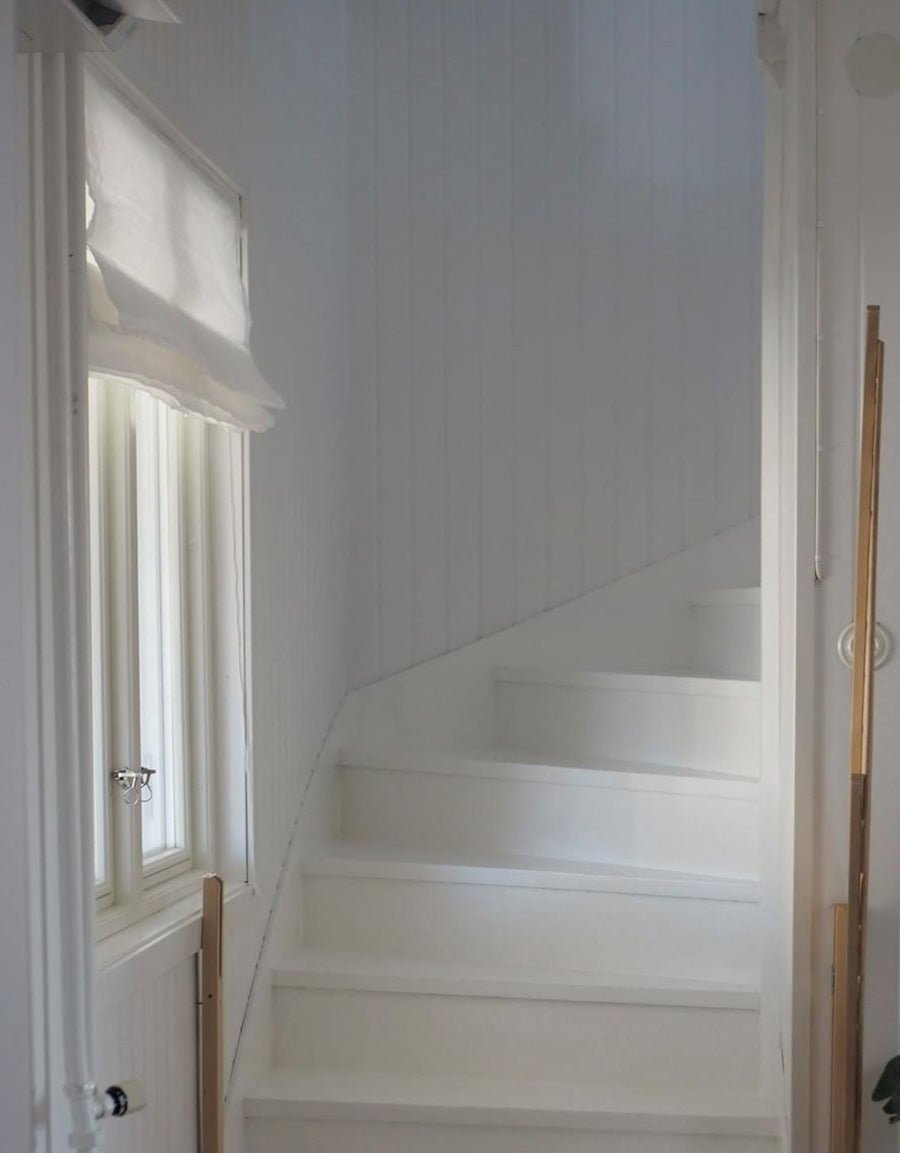
For narrow windows, it can be an advantage to have a blind that can be made to measure to fit the window's shape, as many standard solutions are designed for wider windows in more traditional sizes. In the hallway, windows are often narrow and can sometimes reach all the way down to the floor – for example by the front door – which can affect which type of blind feels most practical in everyday life. For such windows, many people choose vertical blinds or pleated blinds, for example, as they make it easy to control both light and privacy in a flexible way.
Handy solutions that keep the hallway clear
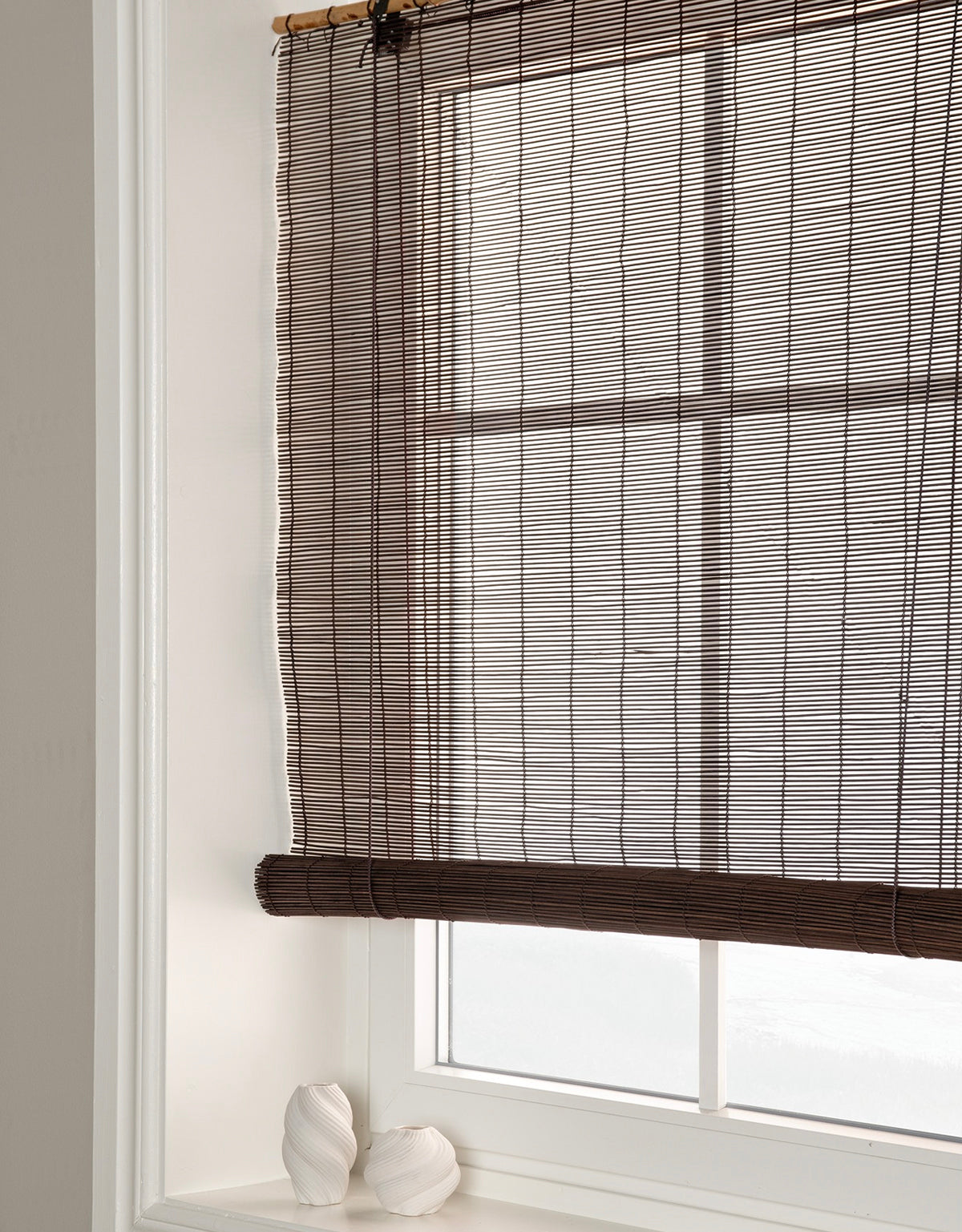
In smaller hallways where every bit of space counts, it can be nice to have blinds that take up minimal space and don't get in the way when lots of people are in the hallway at the same time. Since the hallway is often busy with outdoor clothing, bags and people moving about, a more discreet window solution can help the blind feel practical in everyday life – without getting in the way or risking getting caught. That's why many people choose blinds that sit close to the window glass and provide shielding, for example when the solution is fitted in the window recess. That way, people can move through the hallway as usual, even when several people are moving around the room.
Frequently asked questions about blinds in the hallway
Do you need blinds in the hallway?
Blinds can be practical in the hallway, both for regulating light transmission and for providing privacy, especially if the window faces the street. In smaller hallways, traditional curtain panels can sometimes feel impractical, and a more discreet blind can then serve a purpose without taking over the room. This way, you can combine practicality with a more framed feel around the window.
How can one get privacy in the hallway without making it dark?
In smaller and darker hallways, natural light can be especially important, and in such cases, sun protection that reduces visibility without blocking out light can feel particularly practical. Roller blinds with screen fabric are a common choice for hallway windows, as the fabric is transparent and allows light through while reducing visibility during the day. Keep in mind that visibility can vary depending on the light inside and out – especially in the evening when the lights are on indoors.
Which blind is suitable for a front door with a glass panel?
In the hallway, blinds are rarely fitted on the door leaf itself; instead, they are used on the glazed sections around the front door – for example in a sidelight – where privacy and light control are often needed. Which solution is right depends on how the glazed section is designed, but in many entrances a made-to-measure blind can make it easier to achieve a fit that feels discreet and well thought out. To keep the daylight in the hallway, many people choose a light-filtering fabric or a roller blind with screen fabric, which reduces visibility from outside and glare without shutting out the light completely.
Are roller blinds suitable for the hallway?
Yes, roller blinds can work well in the hallway when you want a discreet blind that helps control the light and reduce visibility from outside. They come in different fabric types, such as light-filtering fabric or screen fabric, which can filter the light without shutting out the daylight completely. In smaller hallways, no-drill roller blinds fitted in the window recess can also be a handy option, especially when you want the solution to take up minimal space and not get in the way.
Which blind is best for small or narrow hallway windows?
For small or narrow hallway windows, it can be practical to choose a made-to-measure sunblind that follows the shape of the window. The most suitable solution often depends on whether you primarily want to reduce visibility, control light, or keep the look as discreet as possible. For this type of window, many people choose, for example, vertical blinds or pleated blinds, as they can be adapted to narrow and sometimes tall windows – even when the window extends far down towards the floor.
Can you combine blinds and curtains in the hallway?
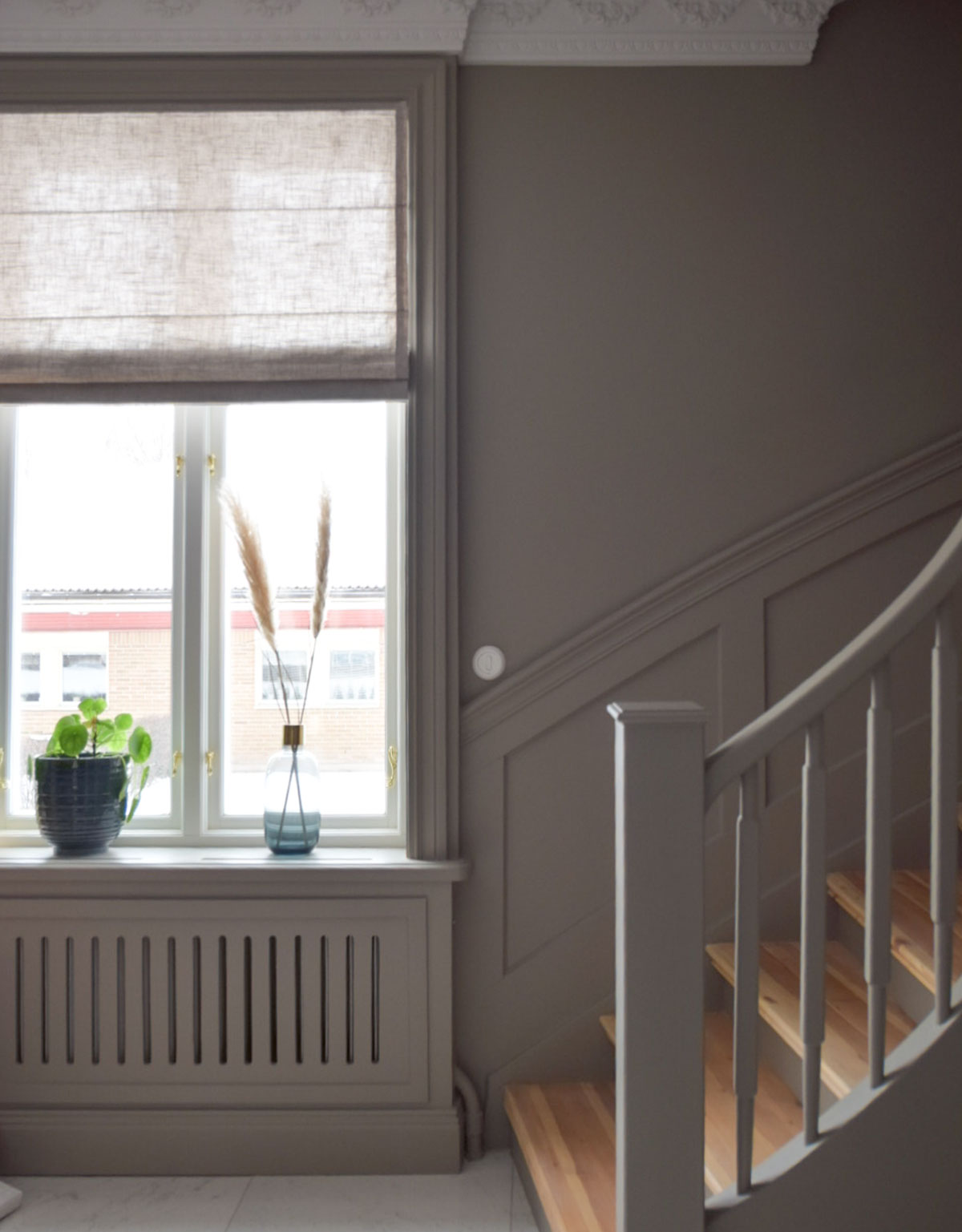
Yes, in many hallways it works well to combine blinds and curtains to get both function and a cosier look. A discreet blind can help control light and privacy day to day, while curtains frame the window and add to the overall feel. Some hallways also use Roman blinds, which work as a decorative solution while still being adjustable when needed. If you'd like to find out more, there is a separate guide to curtains for the hallway that focuses specifically on choosing curtains and creating the right look.