



• Julia Nilstål
It sounds simple enough – “just darken the room”, right? But when it's time to choose the right blackout indoor blinds for the bedroom, living room or home cinema, more questions than answers often come up. What exactly is the difference between light-filtering and blackout? What does blackout mean? And does blackout really work in the middle of a bright day? There can be several reasons for needing blackout products for your windows, for example:
In this guide, we clarify the concepts, give you smart tips, and help you find the right blackout solutions and blackout blinds – whether you want total darkness or just to dim the light a little.
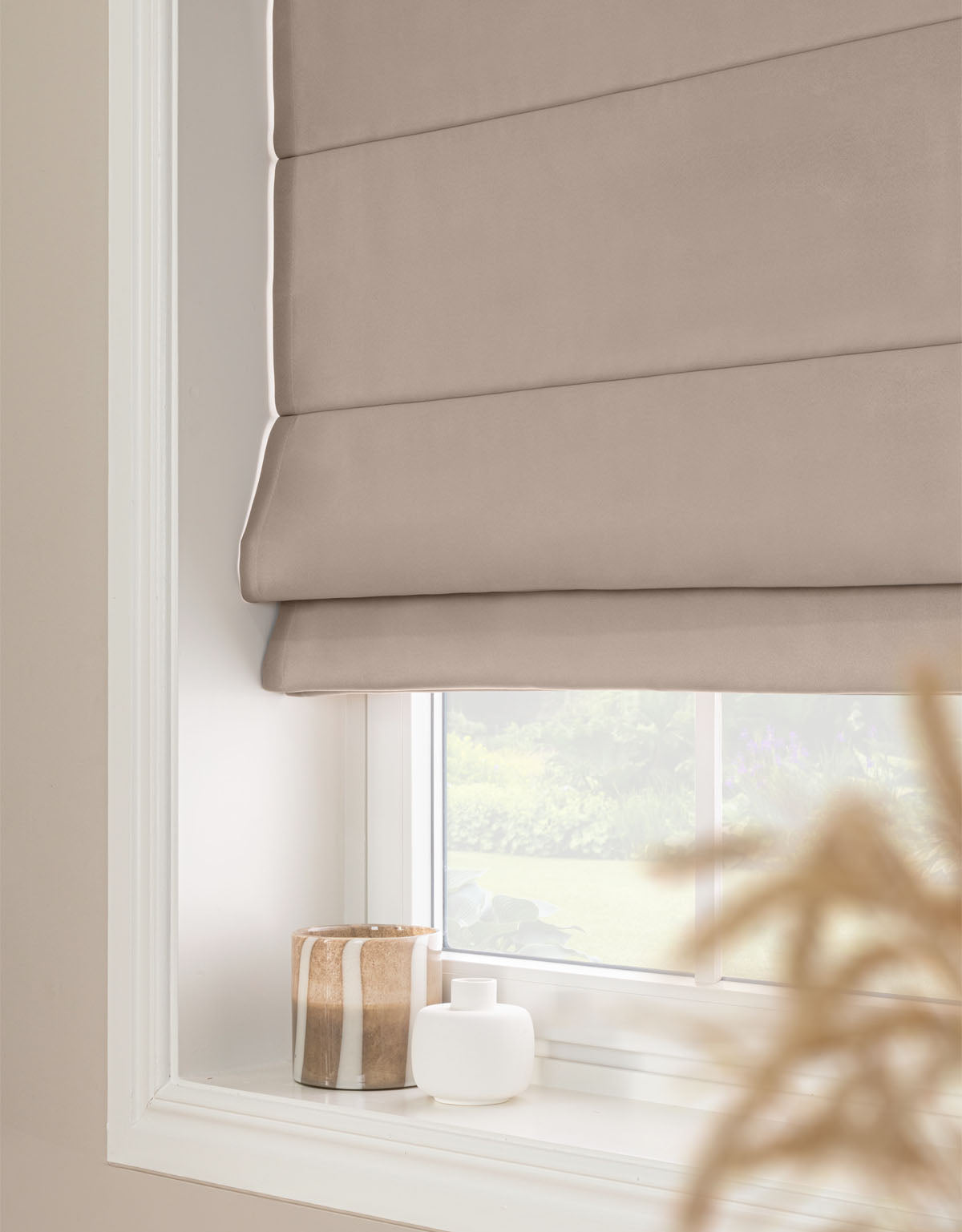
When we talk about blackout blinds, we are referring to products that block almost all light, or in some cases – all light. These products are often designed to create complete darkness, especially in bedrooms or homes where total darkness is required, such as for night work or for young children.
Light-filtering or room-darkening blinds, on the other hand, also fall into the blackout category, but these products often lack the extra blackout layer required to be classed as “blackout”. In other words, it is the weave or fabric of blackout blinds that determines whether the product is classed as complete blackout or merely light-filtering.
The alternative to indoor blackout blinds is blinds with light-filtering or sheer fabric, which means that the light transmission is so high that the product is not classified as blackout.
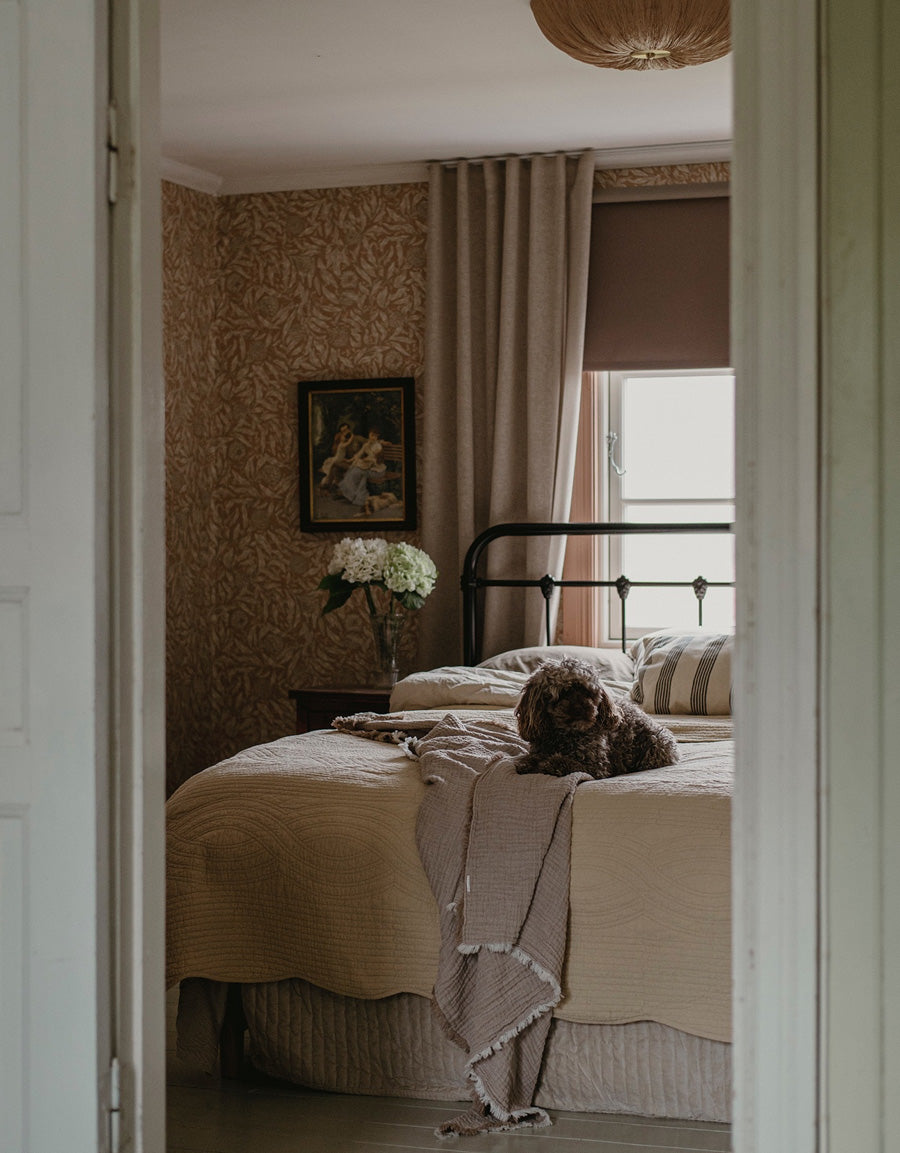
As mentioned above, it is the properties of the fabric that determine how much light passes through a blackout blind. But it is not only the fabric that affects light transmission – the design of the blind also plays an important role.
For example, if you install a blackout roller blind in the window recess, some light leakage may still occur at the sides, as the fabric does not seal completely. If you use dimout curtains instead, light can also seep in from above if the curtain does not seal tightly against the ceiling.
For the best possible dimout, it is therefore important to choose a solution that minimises light transmission on all sides. One tip is to combine several products – for example blackout roller blinds and dimout curtains – to achieve the greatest possible blackout effect.
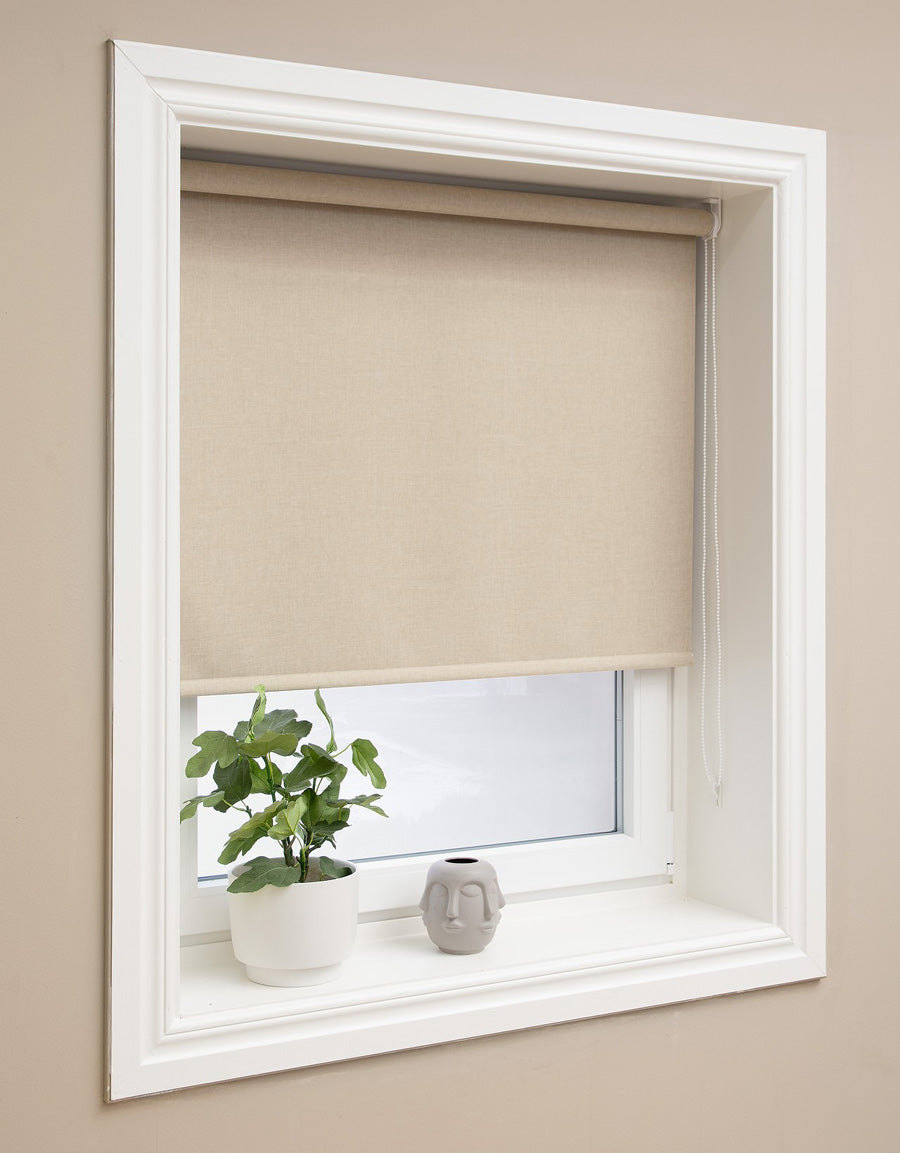
Dimout blinds and other dimout products often act as an extra insulating layer at the window, which can help to:
There are also roller blinds specifically designed to reflect sunlight, offering extra heat reduction during hot summer days.
Did you also know that light-coloured blinds are more effective against heat than dark ones?
Almost all blinds are available with blackout fabric! Classics like roller blinds and venetian blinds are common in bedrooms and are available in traditional models with screw fittings or no-drill for those who want to black out a room without drilling. Pleated blinds have become common in many homes thanks to their stylish design and are available with blackout fabrics. Dimout curtains are other popular options that combine design and function in the best way, or why not opt for a dimout Roman blind – a stylish and functional middle ground between a curtain and sun protection.
You might also be interested in:
Everything you need to know about blackout blinds
Reduce indoor heat with interior solar shading